Last updated: October 26, 2026
When optimizing mold machining workflows, weighing Hexagon’s two leading solutions is crucial for production managers. WORKNC vs VISI are two industry-standard CAD/CAM systems, but each offers specialized strengths to meet distinct operational needs across modern manufacturing environments.
Overview of WORKNC and VISI from Hexagon
Both WORKNC and VISI are premier industrial software solutions within Hexagon’s manufacturing intelligence ecosystem, officially distributed in Vietnam by Solid & Soft. For deeper technical insights, engineers can refer to the official Hexagon technical documentation to stay updated on the latest automation trends.
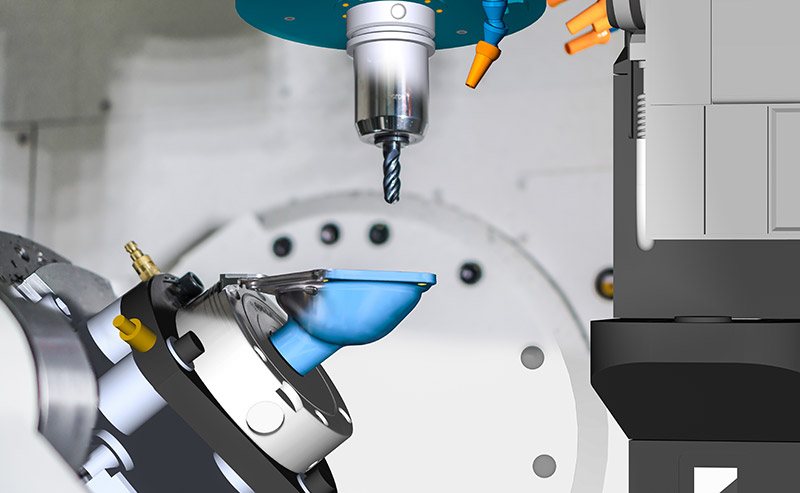
WORKNC is a world-renowned dedicated CAM software featuring ultra-high toolpath automation, specifically optimized for complex 3-axis to 5-axis high-speed machining (HSM). Meanwhile, VISI is a comprehensive, integrated CAD/CAM solution exceptionally strong in plastic injection mold design, progressive die design, and 2D-to-5-axis machining programming within a single interface.
Understanding how these two platforms perform in real-world scenarios enables technical directors to allocate resources effectively. While many manufacturing facilities struggle with long lead times, selecting the correct production engine can drastically minimize cycle times and improve surface finishes on hardened steels.
Detailed Comparison Table: WORKNC vs VISI
To help mechanical engineers and QC managers compare effectively, the table below summarizes the core technical criteria between the two software applications:
| Comparison Criteria | WORKNC | VISI |
|---|---|---|
| Core Strengths | Automated CAM programming, complex geometry machining, 5-axis high-speed machining | Integrated mold design (CAD) with comprehensive CAM programming |
| Geometric Processing | Highly optimized for sculptured surfaces and 3D mold geometries | 3D modeling, mold splitting analysis, electrode design |
| CAM Automation Level | Exceptionally high, minimizing manual programming time for engineers | High across continuous mold design and machining workflows |
| Typical Applications | Stamping dies, plastic molds, aerospace, and automotive components | Plastic injection molds, progressive dies, precision mechanical parts |
Differences in CAM Programming Features
The core distinction when differentiating WORKNC and VISI lies in their toolpath generation philosophy and primary user persona on the shop floor. According to the official product page specifications, WORKNC is built around maximum automation, automatically recognizing part geometry to generate safe toolpaths while minimizing CNC machine collisions.
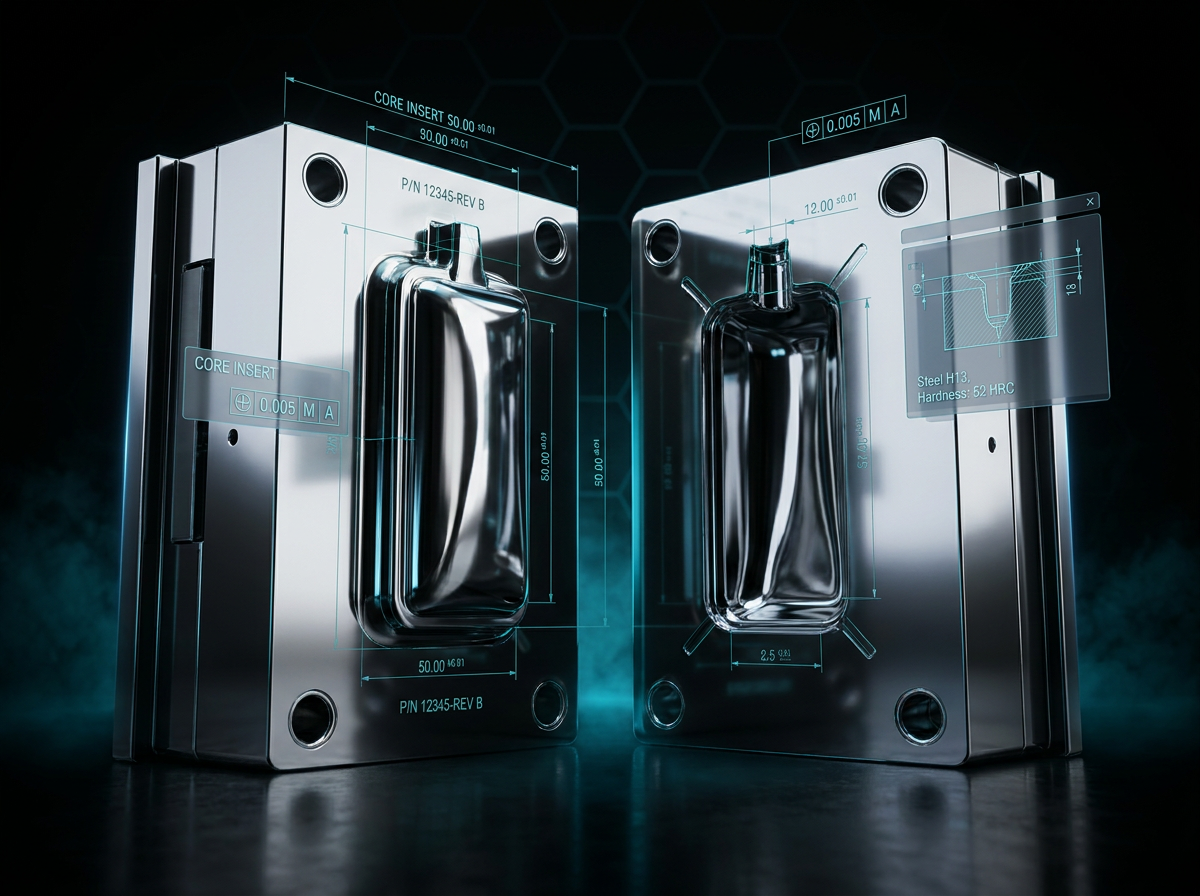
Conversely, VISI offers end-to-end advantages spanning product design, mold design, and CAM machining. Production engineers can directly modify CAD data right on the mold model without intermediate conversion, significantly shortening the product development cycle from blueprint to finished part.
Furthermore, evaluating tool life and material removal rates is essential. WORKNC excels in handling massive CAD files containing intricate sculptured surfaces, making it a favorite for aerospace blisks and complex automotive stamping dies. VISI shines when the workflow demands seamless transitions from 3D parting line creation and core/cavity separation directly into roughing and finishing toolpaths without data translation errors.
Deep Dive into Workflow Efficiency and Toolpath Strategies
When implementing high-speed machining strategies, toolpath reliability dictates whether a shop operates profitably or suffers from costly machine crashes. WORKNC utilizes advanced stock models and automatic collision detection algorithms that look ahead across multiple axes. This capability ensures that even the most aggressive roughing cycles maintain constant tool engagement, which preserves spindle life and prevents premature cutter breakage.
On the other hand, VISI integrates specialized tool libraries with powerful wireframe and solid modeling capabilities tailored specifically for toolmakers. By incorporating dedicated modules for standard components, runner systems, and cooling channels, VISI bridges the gap between design engineering and CNC programming. Toolmakers benefit from associative updates: if a design change occurs late in the project lifecycle, the associated CAM operations can be recalculated automatically, reducing administrative bottlenecks.
Industry Adoption and Implementation Considerations
Adopting advanced manufacturing intelligence requires evaluating workforce training and existing hardware infrastructure. Shops specializing purely in contract machining—where CAD models arrive fully prepared by external design houses—often gravitate toward dedicated CAM systems due to their rapid deployment and exceptional toolpath generation speed. Conversely, vertically integrated tool shops that handle everything from initial product styling to final mold testing find tremendous value in unified CAD/CAM suites.
External references, such as insights from the National Institute of Standards and Technology (NIST) manufacturing studies, highlight that interoperability and reduced data transfer errors directly correlate with higher shop floor productivity and lower scrap rates.
When Should You Choose WORKNC vs VISI?
Choosing between WORKNC and VISI depends entirely on your machine shop’s specific manufacturing requirements:
- Choose WORKNC when: Your shop is heavily focused on 3-axis high-speed machining and continuous 5-axis milling for extremely complex mold surfaces that demand fast CAM programming and absolute toolpath safety.
- Choose VISI when: Your business requires an end-to-end solution from CAD mold design (injection, stamping) to CAM programming in a unified interface, optimizing the entire mold manufacturing chain.
As an authorized Hexagon partner in Vietnam, Solid & Soft is always ready to assist businesses in evaluating their operational needs to deploy the optimal software solution. Combining Hexagon’s cutting-edge technology with deep technical support ensures sustainable investment value for every production shop looking to maintain a competitive edge.