
Last updated: October 26, 2026
SOLIDWORKS automotive design serves as a comprehensive CAD/CAM/CAE software solution that empowers mechanical engineers, automotive designers, and supporting industry manufacturers to optimize their entire product lifecycle. From initial freeform concept sketching and complex parametric surface modeling to advanced structural FEA simulation, thermal management, and precision CNC mold manufacturing, applying SOLIDWORKS automotive design delivers unmatched efficiency across engineering teams.
This software platform delivers robust tools tailored to handle complex surface geometry, manage massive multi-level assembly files, synchronize real-time manufacturing drawings, and guarantee absolute accuracy for exported automotive and motorcycle components. Whether developing next-generation internal combustion engine (ICE) parts or modular electric vehicle (EV) battery systems, implementing SOLIDWORKS automotive design ensures technical excellence at every stage.
Why Is SOLIDWORKS Automotive Design the Benchmark in Supporting Industries?
The automotive and motorcycle manufacturing sector in Vietnam is undergoing a massive transformation to integrate deeply into global value chains. Local Tier 1, Tier 2, and Tier 3 suppliers are under increasing pressure to meet strict quality, safety, and delivery timelines set by international OEM corporations.
To maintain reputation, control operational costs, and boost profit margins, SME machine shops and precision toolmakers require highly reliable engineering systems. Adopting SOLIDWORKS automotive design enables organizations to bridge the communication gap between R&D units, quality control (QC) labs, and the CNC shop floor. According to official documentation from Dassault Systèmes, a unified 3D design ecosystem drastically cuts redesign cycles and minimizes manufacturing defects.
Furthermore, adopting international automotive quality management standards such as IATF 16949 requires design processes, revision histories, and product data control to be completely transparent, standardized, and easily traceable. SOLIDWORKS automotive design natively integrates revision tracking mechanisms, engineering change order (ECO) management, and digital approval signatures required for compliance audits.
Utilizing licensed software from authorized resellers eliminates legal audit risks while providing direct technical support when managing large assembly files. Clean design data generated via SOLIDWORKS automotive design ensures smooth CNC machining, precision sheet metal stamping, and injection mold fabrication, keeping production strictly on schedule for global vehicle manufacturers.
Advanced Applications of SOLIDWORKS Automotive and Motorcycle Design
To meet increasingly demanding engineering requirements, SOLIDWORKS automotive design offers specialized toolsets engineered specifically for every stage of modern vehicle development.
1. Complex Surface Modeling for Vehicle Bodies and Fairings
Automotive body-in-white (BIW), exterior trim panels, side mirrors, and motorcycle plastic fairings demand exceptional aesthetic appeal combined with optimal aerodynamic properties. Within modern SOLIDWORKS automotive design workflows, the Surface Modeling module enables engineers to construct smooth Class A surfaces with precise curvature continuity (G1, G2, and G3 boundaries).
Advanced features such as Loft, Boundary Surface, Freeform, and Fill Surface simplify the creation of complex organic geometries like motorcycle front masks, side covers, aerodynamic scoops, car bumpers, hoods, and rear diffusers.
Engineers can evaluate surface quality using Zebra Stripes, Deviation Analysis, and Curvature Visualizers to detect minor surface ripples, draft errors, or mathematical discontinuities long before transitioning to costly mold fabrication.
2. Structural Frame, Chassis, and Piping Design (Weldments & Routing)
Motorcycle frame structures and automotive chassis subframes are typically built from welded structural steel tubing, extruded aluminum profiles, or stamped sheet metal assemblies. The Weldments module within SOLIDWORKS automotive design enables rapid 3D space frame modeling based on simple 2D or 3D layout sketches.
The software automatically calculates cut lists, miter joints, gussets, and weld seam details, enabling shop floor workers to reduce raw material waste and setup times.
Simultaneously, the integrated Routing module automates complex electrical wiring harness routing, ECU cable layouts, hydraulic brake lines, and engine cooling hoses. By automating path creation and checking bend radius limits in tight vehicle compartments, SOLIDWORKS automotive design prevents spatial collisions and interference issues before physical assembly.
3. Dynamic Simulation and Structural Integrity Testing (CAE Integration)
Before fabricating physical prototypes, verifying component durability under extreme operational stresses is essential. SOLIDWORKS automotive design incorporates integrated Finite Element Analysis (FEA) and Computational Fluid Dynamics (CFD) tools to evaluate stress concentration, deformation, fatigue life, and safety factors for critical load-bearing parts such as alloy wheels, suspension control arms, connecting rods, engine blocks, and brake calipers.
To maximize simulation accuracy and workflow efficiency, engineering teams can explore what SOLIDWORKS Simulation is to master linear, non-linear, dynamic impact, and thermal analysis workflows.
Vehicle structural safety and crash performance test standards established by SAE International can be virtualized and validated directly within the design environment. Implementing virtual testing inside SOLIDWORKS automotive design reduces physical prototyping costs by up to 60% and significantly shortens time-to-market.
4. Precision Sheet Metal Components & Stamping Preparation
Automotive body structures heavily rely on stamped sheet metal components, including door panels, floor pans, brackets, and structural reinforcements. SOLIDWORKS automotive design provides dedicated Sheet Metal tools that allow engineers to design parts directly or convert solid geometry into bendable sheet metal models.
The software calculates precise flat pattern developments, bend allowances, K-Factors, and relief cuts required for accurate CNC laser cutting and press brake bending. Design teams can simulate bending sequences and detect potential material overlap prior to tooling production.
5. Reverse Engineering for Aftermarket and Replacement Parts
In the automotive supporting industry, many suppliers are tasked with manufacturing aftermarket parts, performance upgrades, or legacy replacement components where original 3D CAD files are missing. SOLIDWORKS automotive design seamlessly integrates with 3D laser scanners and point cloud processing tools.
Engineers can import mesh data, extract key geometric features, rebuild clean CAD geometry, and refine tolerance fits to recreate fully functional engineering models suitable for modern manufacturing processes.
Core Modules in the SOLIDWORKS Automotive Solution Stack
The software suite is divided into flexible, specialized modules engineered to match the specific technical needs and budget parameters of automotive design teams:
- SOLIDWORKS Standard / Professional: Core CAD environments providing robust parametric modeling, detailed 3D assembly creation, advanced surface design, automated 2D drafting, and Photoview rendering for automotive parts.
- SOLIDWORKS Premium: Adds advanced routing capabilities for electrical wire harnesses, hydraulic piping, structural wire frame analysis, and motion simulation for complex automotive mechanisms.
- SOLIDWORKS Simulation: Powerful FEA structural analysis tool designed to test stress, dynamic loading, harmonic vibration, fatigue life, thermal behavior, and non-linear material response under realistic road conditions.
- SOLIDWORKS Plastics: Predicts plastic melt flow behavior, gate locations, air traps, weld lines, and sink marks on injection-molded automotive plastic parts prior to tool manufacturing.
- SOLIDWORKS CAM: Automates 2.5-axis, 3-axis, and multi-axis CNC programming directly on the native 3D CAD model, updating toolpaths automatically whenever design modifications occur.
- SOLIDWORKS PDM: Centralizes data management, secures intellectual property, manages engineering revision history, enforces workflow approvals, and enables safe collaboration across multidisciplinary design teams.

Standardized Design and Manufacturing Workflow for Automotive Parts
Implementing a standardized CAD/CAM/CAE workflow inside SOLIDWORKS automotive design empowers supporting manufacturers to eliminate operational bottlenecks and boost throughput.
Step 1: Conceptual Research & Reverse Engineering
Whether starting from new vehicle styling sketches or existing physical components, engineers capture concept lines or scan physical samples using modern 3D laser scanners. The point cloud mesh is imported into SOLIDWORKS automotive design to establish accurate reference geometry.
Step 2: Detailed Parametric Design & Assembly Modeling
Engineers build 3D CAD models of individual components and assemble them into full sub-systems (e.g., engine block, transmission, steering assembly). The automated Interference Detection tool inside SOLIDWORKS automotive design scans complex assemblies to identify physical clearance issues between dynamic moving parts like valves, chains, and pistons.
Step 3: Engineering Analysis, CFD & Topology Optimization
Using integrated Topology Optimization within SOLIDWORKS automotive design, engineers specify load targets, boundary conditions, and manufacturing constraints. The system automatically recommends material removal strategies to create lightweight automotive components without sacrificing structural integrity or safety factors.
Step 4: Plastic Injection Mold & Stamping Die Design
The Mold Design toolset automatically calculates draft angles, shrinkage allowances, split lines, and extracts core and cavity blocks. Using SOLIDWORKS Plastics, mold engineers optimize gate locations, cooling channels, and injection pressure requirements to prevent part warpage.
Step 5: CNC Toolpath Generation & Production Release
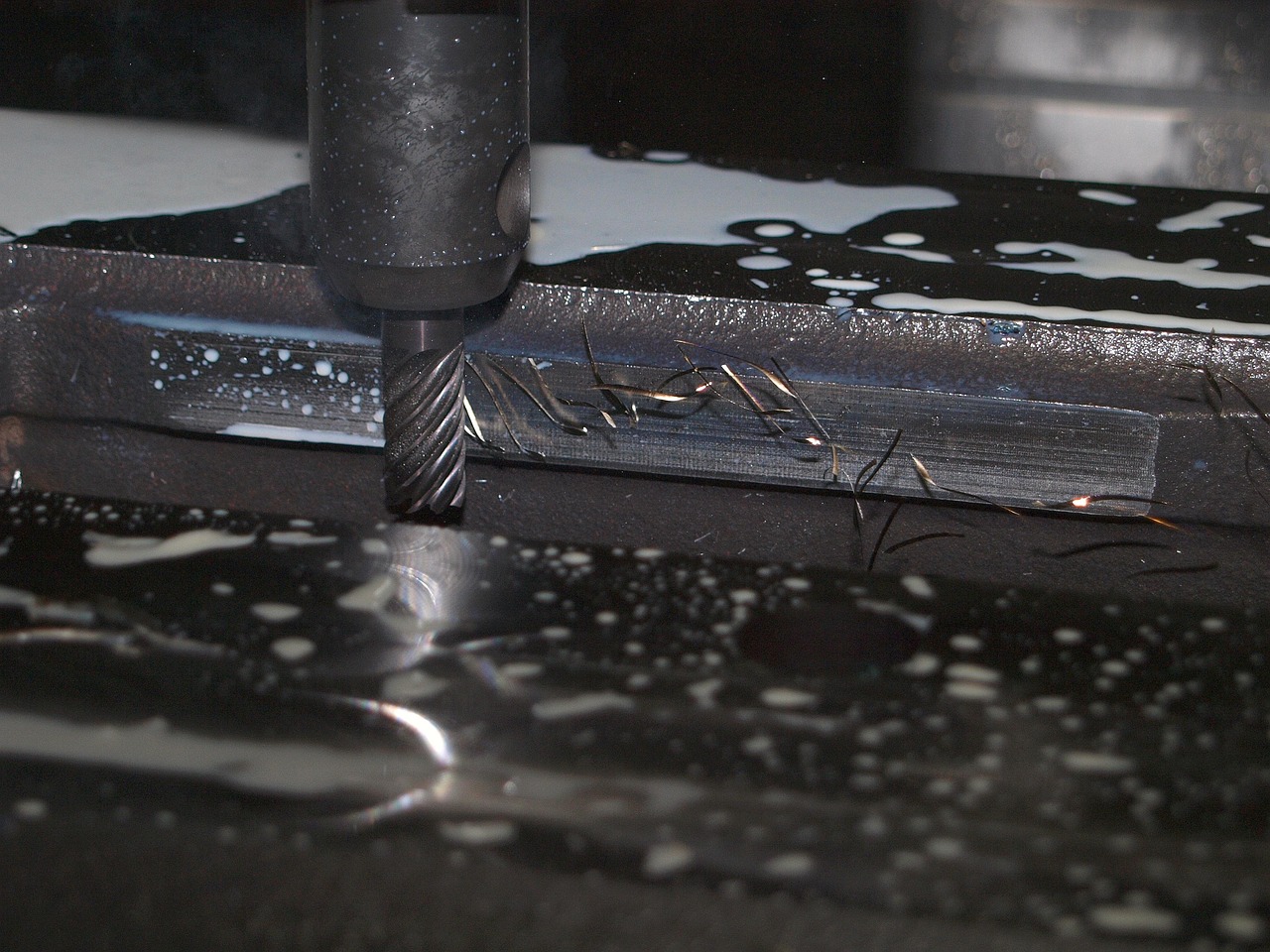
Once design verification is completed, the native 3D geometry is directly transferred to SOLIDWORKS CAM to generate G-code programs for multi-axis CNC milling, turning, and wire-EDM machines. Engineering drawings, bill of materials (BOM), and digital control files are archived safely within the PDM system.
Addressing Modern Automotive Trends: EV Transition & Lightweighting
The global shift toward Electric Vehicles (EVs) presents both unique technical challenges and immense growth opportunities for supporting industries in Vietnam. Modern SOLIDWORKS automotive design is tailored to address key EV engineering demands:
- EV Battery Pack Enclosure Design: Designing rigid, lightweight aluminum battery structures that resist impact crash forces while providing effective sealing against ingress (IP67/IP68 standards).
- Thermal Management Analysis: Utilizing CFD simulation to evaluate liquid cooling plate efficiency, heat dissipation from battery cells during fast charging, and electronic control unit (ECU) cooling.
- Weight Reduction & Composite Integration: Replacing traditional structural steel with high-strength aluminum alloys, engineered plastics, and composite materials using topology optimization tools built into SOLIDWORKS automotive design.
Effective License Investment Strategies for SME Manufacturers
For SME owners and factory managers in the precision mechanical domain, initial capital expenditure for CAD/CAM licensing requires strategic evaluation to maximize return on investment (ROI).
However, resorting to cracked SOLIDWORKS software introduces severe cybersecurity threats, malware vulnerabilities, system instability, and devastating legal penalties during partner audits. Using unauthorized software can lead to immediate disqualification from tier-supplier qualification programs of major global OEMs.
Flexible software licensing models offered by official distributors allow businesses to scale license deployment according to project needs. Investing in genuine software grants access to professional training programs, official certification courses, and direct technical support, empowering engineering teams to master SOLIDWORKS automotive design and optimize day-to-day productivity.
To plan software procurement budgets effectively, decision-makers can review up-to-date information on SOLIDWORKS 2026 pricing.
As an official authorized reseller in Vietnam, Solid & Soft works alongside mechanical engineering enterprises to implement specialized technical workflows, optimize design processes, and ensure maximum operational performance.
To guarantee full software compliance, secure technical support, and access official training resources, companies should consult the definitive guide on where to buy genuine SOLIDWORKS licenses in Vietnam.
References
- What is 3D CAD design and modeling software?
- SOLIDWORKS CAM
- SOLIDWORKS Support
- SOLIDWORKS Simulation: FEA analysis